Taking Your Dog to the Mountains – What You Should Know Before You Hit the Trail
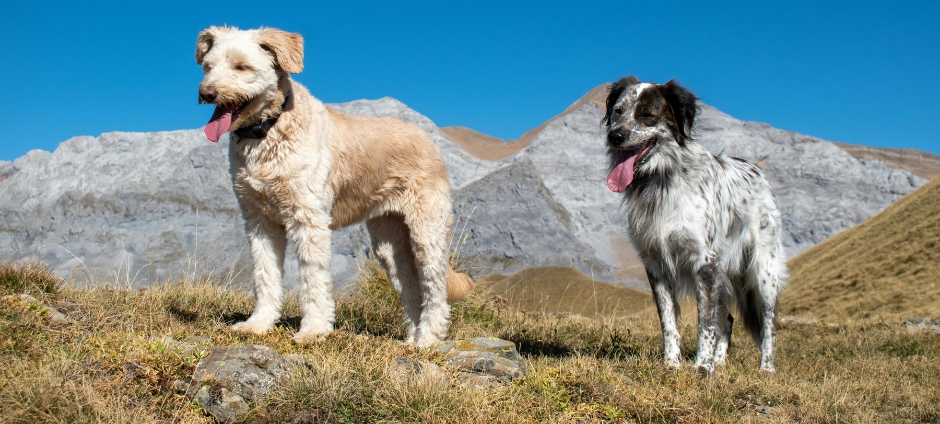
Hiking with your dog in the UK mountains is a fantastic way to enjoy nature and spend quality time together. Whether you’re heading to the Lake District, Snowdonia or the Scottish Highlands, proper preparation is essential. Mountain walks are very different from your local park stroll – both you and your dog need to be ready for the challenge.
Is Every Dog Fit for Mountain Hiking?
Not all dogs are suited for mountain hikes. Their physical fitness, age and temperament are crucial factors. Breeds such as Border Collies, Huskies or Springer Spaniels typically thrive on long walks with elevation. On the other hand, brachycephalic breeds like French Bulldogs or elderly dogs may struggle with steep climbs, heat or rough terrain.
Where Can You Take Your Dog in the UK Mountains?
Fortunately, the UK is quite dog-friendly when it comes to countryside access. Most national parks, open access land and public footpaths welcome dogs, though you must keep them on a lead near livestock and during ground-nesting bird season (March–July). Always check signage at trailheads and visit the relevant national park website for up-to-date information.
What to Pack for Your Dog on a Hike?
Here’s a checklist of essential gear for your dog on a mountain walk:
- Water and a collapsible bowl – hydration is vital, especially on warm days,
- Dog food or snacks – for energy during breaks,
- Dog first-aid kit – including tick tweezers, antiseptic, and bandages,
- Lead (preferably long and shock-absorbing),
- Harness instead of a collar – better for control and safety,
- Poop bags – leave no trace, even on remote trails,
- Blanket or mat – for resting during longer breaks,
- ID tag and microchip – a must in case your dog gets lost.
Safety Tips for Dogs in the Mountains
- Keep your dog on a lead, especially near cliffs, sheep or wildlife,
- Take frequent breaks and monitor for signs of heat exhaustion,
- Watch out for rough terrain that may damage paws – inspect pads regularly,
- Protect against ticks – carry tweezers and check your dog after each hike,
- Set a pace suitable for your dog’s ability – don’t push them too hard.
Choosing the Right Trail for You and Your Dog
Not all trails are dog-friendly. Avoid exposed scrambles, rocky ridges or routes requiring hands-on climbing. Great choices for hiking with dogs include parts of the Brecon Beacons, Peak District, Yorkshire Dales, or the South Downs. Choose shaded routes in summer and trails with access to fresh water if possible.
Dog First Aid in the Hills
- Cuts or abrasions: Rinse with clean water and apply a bandage,
- Heatstroke: Move your dog to shade, offer water and cool them down with damp cloths (avoid icy water),
- Ticks: Remove carefully with tick tweezers, disinfect the bite site,
- Snake bites (adders): Keep the dog still and get veterinary help as soon as possible,
- Limping or sprains: End the hike and carry your dog if needed.
Mountain Walks in Winter – Is It Safe for Dogs?
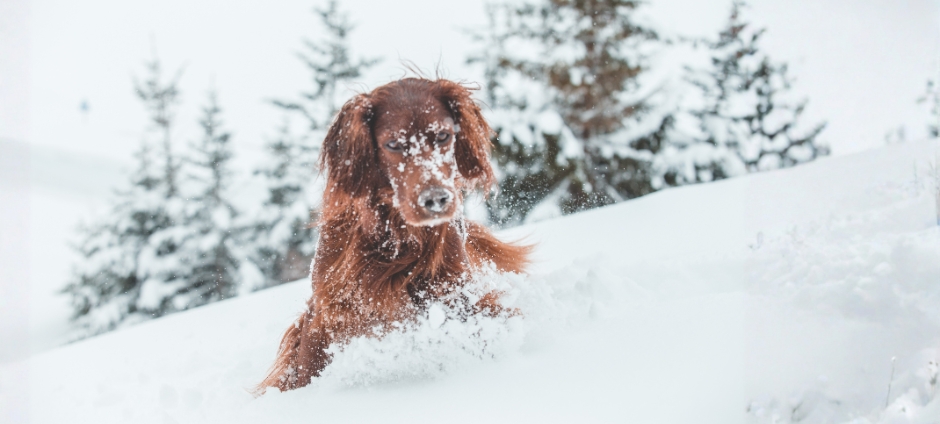
Winter hikes can be magical, but they come with extra risks. Cold temperatures, ice and snow require extra care. Short-haired breeds may need a coat, and paw protection is essential if your dog is sensitive to cold or salt. Watch out for snow clumps forming between pads and avoid icy terrain where slipping is likely.
Why It’s Worth Taking Your Dog to the Mountains
Despite the challenges, hiking in the mountains with your dog can be incredibly rewarding. It strengthens your bond, improves fitness and allows you to share the beauty of nature. Many dogs absolutely love the physical activity and mental stimulation – just be sure to plan ahead and know your dog’s limits.
Final Thoughts: Planning a Mountain Walk with Your Dog
Hiking with your dog is not just a spontaneous adventure – it’s a responsibility. With proper planning, realistic trail choices and the right gear, it can be a safe, exciting and deeply satisfying experience. Respect nature, respect other hikers, and most of all – respect your dog’s wellbeing. Happy trails!