How to Feed a Dog Without Teeth – A Practical Guide for Pet Owners
Many owners worry that their dog won’t be able to eat normally after losing their teeth. The good news? That’s a myth! 🐾 Dogs are remarkably adaptable and can continue to enjoy food even after full tooth loss – as long as you adjust their diet and feeding routine properly.
Why do dogs lose their teeth?
Tooth loss in dogs can happen for several reasons, such as:
- advanced gum disease or periodontitis,
- trauma or injury,
- poor oral hygiene over time,
- old age,
- genetic predispositions (especially in small breeds).
Whatever the cause, a dog without teeth can still thrive on a balanced diet – it just needs to be adjusted for comfort and safety.
What kind of food is best for dogs without teeth?
The main rule: choose soft, easy-to-swallow meals that don’t require chewing. Here are the best options:
1. Wet food
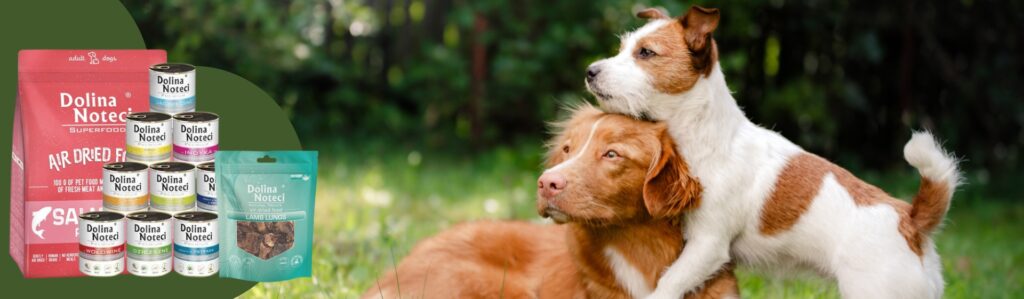
This is often the simplest choice. Canned or pouch wet food has a soft texture that requires no chewing at all. Opt for high-quality recipes rich in meat and free from artificial additives. You can gently warm it up to release more aroma and encourage your dog’s appetite.
2. Soaked dry food
If your dog is used to dry kibble, you don’t have to switch entirely. Simply soak it in warm water or low-sodium broth until it becomes soft and mushy. This keeps the familiar flavour but makes it gentle on the gums and easy to eat.
3. Homemade meals
Home-cooked food can also work well. Try finely chopped or blended cooked meat with rice or vegetables. Make sure it’s smooth and soft – similar to a purée or paste. Avoid spices, onion, garlic and fatty ingredients.
How to feed a dog without teeth
- Serve smaller portions more frequently – around 3–4 times a day.
- Ensure the food is at a comfortable temperature (not hot or cold).
- Keep meals moist – dry food can irritate the gums.
- Visit your vet regularly to check the gums and oral health.
Tips to make eating easier
Dogs without teeth might need a little time to get used to their new routine. To help them out:
- Use a shallow bowl so they can easily reach their food.
- Watch for signs of discomfort or choking while eating.
- Encourage them gently – stress can reduce appetite.
- Cut or mash food into smaller pieces, even if it’s soft.
What to avoid
Some foods are too hard or risky for dogs without teeth. Avoid giving:
- hard treats, bones or chews,
- dry biscuits or crunchy snacks,
- large chunks of raw meat,
- fatty or highly seasoned foods.
Summary
A dog without teeth can still live a happy and healthy life full of tasty meals. The key is to choose soft, nutritious and easily digestible food that’s safe for their gums. With a little care and patience, your furry friend will quickly adapt – and continue to wag their tail at every mealtime. ❤️🐶