Hairballs in Cats – Symptoms, Causes and Effective Treatments
Cats are famously clean animals, spending a large portion of their day grooming themselves. However, during this process they inevitably swallow loose fur. Over time, this fur can accumulate in the digestive tract, forming what we commonly call hairballs (or trichobezoars). When a cat is unable to expel these naturally, it can lead to a condition known as a hairball blockage – a situation that may range from mildly uncomfortable to dangerously life-threatening.
Symptoms of Hairballs – What to Look Out For
Hairballs can develop gradually, so it’s essential for cat owners to know the signs. Common symptoms include:
- vomiting or retching, often with hair present,
- dry heaving without producing anything,
- loss of appetite,
- lethargy or decreased activity,
- constipation or infrequent bowel movements,
- abdominal discomfort – your cat may flinch when touched,
- excessive grooming – increasing the risk of hairball formation.
What Causes Hairballs?
Hairballs result from swallowed fur that isn’t successfully passed through the digestive system. Risk factors include:
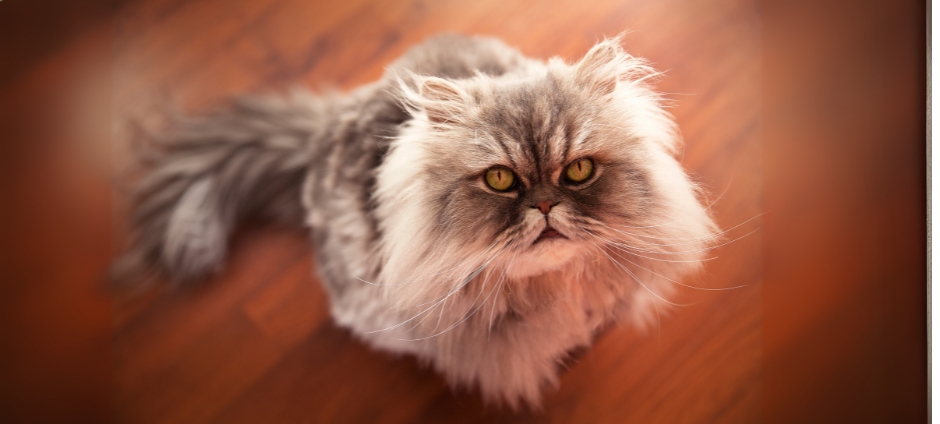
- long-haired breeds (e.g. Maine Coons, Persians),
- heavy seasonal shedding,
- older or sedentary cats,
- indoor cats that groom more frequently,
- underlying digestive or motility issues.
Preventing Hairballs – What Really Works?
Prevention is the best approach when it comes to hairballs. Here’s how to minimise the risk:
1. Regular Grooming
Brushing your cat frequently removes loose fur before it can be swallowed. Long-haired cats may need daily grooming with a tool like a slicker brush or furminator.
2. Use Hairball Control Pastes
These products typically contain oils and fibres to help lubricate the digestive tract, allowing swallowed hair to pass through more easily. Use them especially during moulting seasons.
3. Feed a Hairball Formula Diet
Many brands offer cat food formulated with added fibre and natural laxatives to help prevent hairball build-up. These diets can be used long-term as part of regular feeding.
4. Encourage Movement
Exercise stimulates digestion. Interactive play sessions help older or lazy cats get moving and improve gut motility.
Hairball Treatment – What to Do When Problems Arise
If your cat shows signs of hairball blockage, act quickly:
1. Offer a Hairball Paste Immediately
If your cat has never had one before, introduce it gently. It may help shift hairballs lodged in the digestive tract.
2. Encourage Hydration
Hydration is essential for intestinal function. Use a pet fountain or offer wet food to increase fluid intake.
3. Monitor Litter Box and Behaviour
If your cat hasn’t passed stool in 24–48 hours or shows worsening symptoms, seek veterinary help immediately.
4. Avoid Home Remedies
Never give human laxatives or cooking oils without professional guidance – these can be harmful to cats.
What Will a Vet Do for a Hairball Blockage?
Depending on severity, your vet may recommend:
- prescription medications to stimulate gut movement,
- enemas or stomach flushing in severe cases,
- endoscopic or surgical removal of a bezoar if necessary,
- a specialised diet and long-term management plan.
Conclusion – Hairballs Are More Serious Than You Think
Hairballs may seem like a harmless nuisance, but they can cause serious health issues if ignored. Recognising early warning signs and taking preventive action can save your cat from discomfort or even a medical emergency. With proper grooming, diet and observation, you can keep your feline friend happy, healthy – and hairball free.