Can Dogs Eat Dairy? Milk and Cheese in a Dog’s Diet
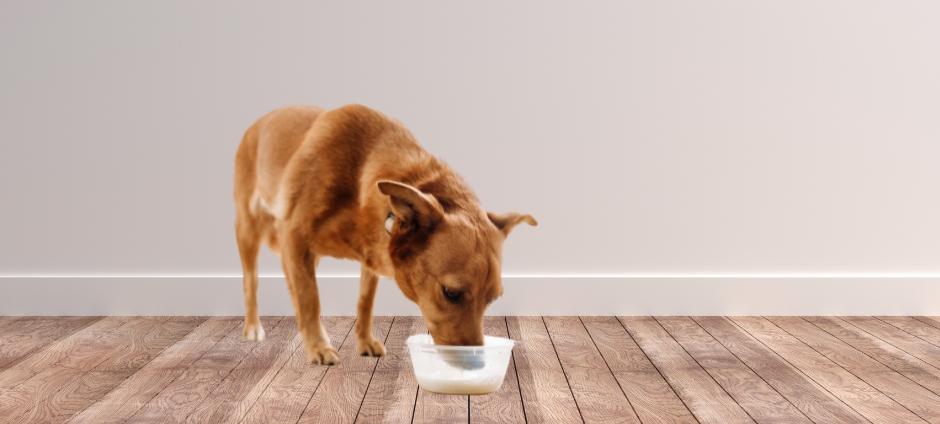
Can Dogs Drink Milk?
While puppies naturally drink their mother’s milk, most adult dogs lose the ability to digest lactose – the sugar found in milk. Drinking milk may cause:
- Diarrhoea and gas.
- Stomach discomfort and bloating.
- Occasionally, allergic reactions.
Some dogs may tolerate small amounts of milk, but for most, it’s best to avoid cow’s milk. Special lactose-free dog milk is available at pet stores as an alternative.
Can Dogs Eat Cheese?
Cheese contains less lactose than milk, so many dogs can tolerate it better. However, cheese is high in fat and calories, which can contribute to weight gain if overfed.
- Small amounts of low-fat cheese (like cottage cheese) can be used as training treats.
- Blue cheese, strong cheeses, and cheeses with added herbs or spices are not safe – they can be toxic to dogs.
When Should You Avoid Dairy?
- If your dog is lactose intolerant (often indicated by diarrhoea).
- If your dog has food allergies or pancreatic issues.
- If your dog is on a veterinary or elimination diet.
Which Dairy Products Can Be Safe?
- Low-fat, plain yoghurt – contains probiotics that can support digestion.
- Small amounts of cottage cheese – a source of protein and calcium.
- Special lactose-free dog milk – formulated for canine digestion.
Conclusion – Can Dogs Eat Dairy?
Dairy can be included in a dog’s diet in moderation and with care. Milk often causes digestive issues, while low-fat cheese can be a tasty treat or reward. The key is to watch for any signs of intolerance and consult your vet if you’re unsure. 🐶🥛🧀