Fat in Your Dog’s Diet – Types and Benefits
Why is fat important?
Though often misunderstood, fat plays a crucial role in your dog’s health. It’s the most concentrated source of energy, helps absorb fat-soluble vitamins (A, D, E, K), and supports the nervous system, immune function and coat quality.
Types of fat and their roles
Saturated fats
Mainly found in animal products like beef or pork fat, they provide energy but should be balanced in the diet, as excess intake can contribute to health issues.
Unsaturated fats
- Monounsaturated fats – Found in olive oil, these support heart health and circulation.
- Polyunsaturated fats – Including essential omega-3 and omega-6 fatty acids, they benefit skin, immune function and cellular health.
Trans fats
Artificially produced and found in processed foods, these fats are harmful and should be avoided in your dog’s diet.
Essential fatty acids – omega benefits
Omega-3
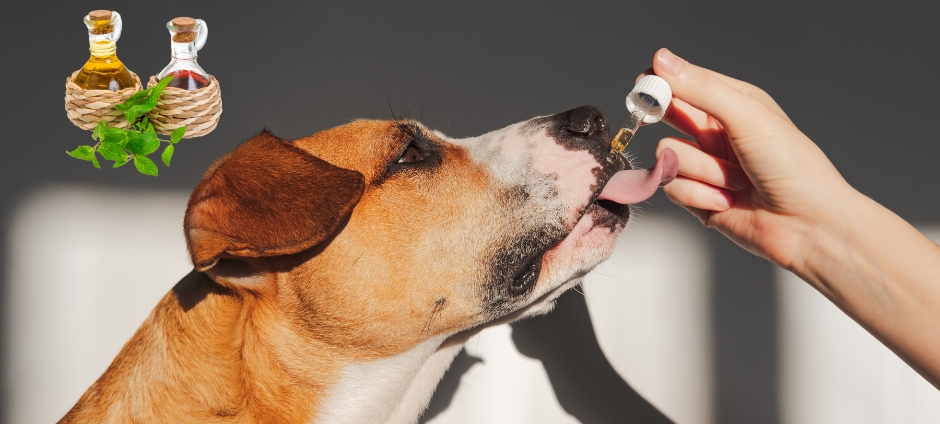
EPA and DHA reduce inflammation, aid brain function and improve coat condition. Found in fish oil, flaxseed oil and algae oil.
Omega-6
Linoleic acid supports skin health and cell function. Common sources include chicken fat, corn and soybean oils. The balance between omega-6 and omega-3 is key to preventing chronic inflammation.
How fat supports your dog’s health
- Energy: Fat delivers over twice the calories per gram compared to protein or carbs.
- Vitamin absorption: Needed to absorb essential fat-soluble vitamins.
- Healthy coat and skin: Proper fat levels give your dog a shiny coat and healthy skin.
- Cognitive support: Omega-3 is vital for brain development, especially in puppies.
Summary
Fat isn’t the enemy – it’s essential. The key is in balance and quality. Choose dog food with the right fatty acid profile, avoid trans fats and consult your vet for tailored nutrition advice. A well-balanced fat intake supports energy, immunity, and overall wellbeing.