Giardia is a parasitic infection caused by the protozoan Giardia intestinalis. It affects both humans and animals, including cats, and is especially common in environments where hygiene is challenging to maintain. In cats, giardia often leads to digestive issues that can significantly impact their well-being. This article covers the symptoms, diagnostic methods, and effective treatments for this condition.
What is Giardia?
Giardia is an intestinal infection caused by protozoa that colonise the small intestine, disrupting its normal function and causing a variety of health issues. This condition is particularly concerning for kittens, older cats, and those with weakened immune systems.
How Do Cats Get Infected?
Cats typically become infected by ingesting giardia cysts, which can be found in:
- Contaminated water or food.
- Faeces from infected animals.
- Surfaces like litter trays, bowls, or toys that carry the parasite.
Giardia cysts are highly resistant to external conditions, making the parasite easy to spread in shared environments.
Symptoms of Giardia in Cats
Some cats can carry giardia without showing symptoms, but in most cases, the infection leads to digestive issues. Common symptoms include:
- Chronic diarrhoea: Stools may be watery, greasy, or foul-smelling.
- Weight loss: Caused by poor nutrient absorption.
- Vomiting: Less common but can occur with the infection.
- Lethargy: Your cat may appear less active and more fatigued.
- Loss of appetite: Discomfort caused by the parasites may deter eating.
These symptoms can come and go, making it challenging to detect the infection early.
Diagnosing Giardia
Diagnosing giardia can be tricky based on symptoms alone, so vets rely on specific diagnostic tests, such as:
- Faecal examination: Checking stool samples for giardia cysts. Since cysts are not shed continuously, multiple samples may be required.
- ELISA test: A more advanced method that detects the presence of giardia antigens.
- PCR tests: Used to identify giardia DNA in faecal samples.
Accurate and early diagnosis is crucial for effective treatment and preventing the spread of the parasite.
Treatment for Giardia in Cats
Treating giardia involves using appropriate medications, eliminating the parasites from the cat’s environment, and supporting their immune system. Key aspects of treatment include:
1. Antiparasitic Medications
Your vet may prescribe medications such as:
- Metronidazole: Effective against giardia but may have side effects like reduced appetite.
- Fenbendazole: Commonly used, particularly for kittens.
2. Supporting Digestion
For chronic diarrhoea, probiotics can help restore a healthy gut microbiome.
3. Hygiene and Disinfection
To prevent reinfection, maintain a clean environment by:
- Regularly washing and disinfecting litter trays, bowls, and toys.
- Preventing your cat from accessing potentially contaminated water.
- Washing bedding and other fabrics in hot water.
How Dolina Noteci Supports Recovery
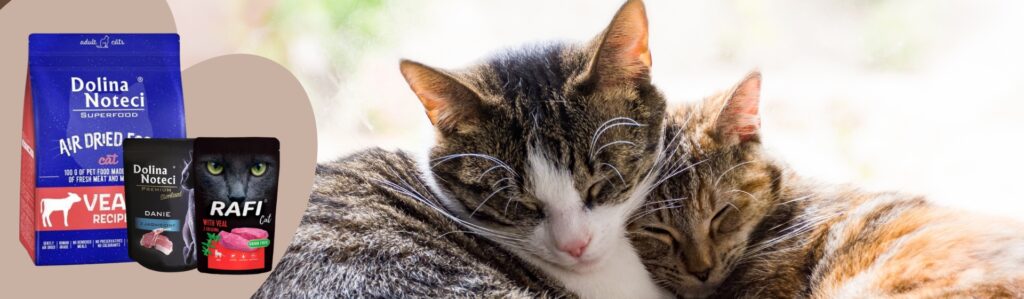
Nutrition is a critical factor in helping your cat recover from giardia. Dolina Noteci’s wet food products are crafted with high-quality ingredients, tailored to support digestive health and restore energy. Here’s how they can make a difference:
1. Easily Digestible Ingredients
Cats recovering from giardia need food that is gentle on their stomachs. Dolina Noteci’s wet foods are made with carefully selected meats and easily digestible carbohydrates, reducing the strain on your cat’s digestive system while maximising nutrient absorption.
2. High-Quality Proteins
Protein is essential for rebuilding muscle and maintaining overall health. Dolina Noteci provides high-quality animal proteins, ensuring your cat gets the nutrition it needs to regain strength and vitality.
3. Added Prebiotics for Gut Health
After giardia treatment, your cat’s gut microbiome may need support. Dolina Noteci products often include prebiotic ingredients that help restore a healthy balance of intestinal flora, improving digestion and overall immunity.
4. Hydration Through Wet Food
Dehydration can occur in cats suffering from diarrhoea. Dolina Noteci wet foods have a high moisture content, helping your cat stay hydrated while providing essential nutrients.
When to Introduce Dolina Noteci into Your Cat’s Diet
During recovery from giardia, it’s important to introduce new foods gradually. Follow these steps:
- Start Slowly: Mix a small portion of Dolina Noteci wet food with your cat’s current diet, gradually increasing the amount over 7-10 days.
- Monitor Your Cat: Observe your cat’s stools and behaviour to ensure the new food is well-tolerated.
- Consult Your Vet: Always discuss dietary changes with your veterinarian, especially during recovery from illness.
Other Recovery Tips for Cats with Giardia
In addition to providing proper nutrition, consider these tips to support your cat’s recovery:
- Maintain Hygiene: Regularly clean litter trays, bowls, and your cat’s sleeping area to prevent reinfection.
- Ensure Hydration: Always provide fresh, clean water to help your cat stay hydrated.
- Provide a Stress-Free Environment: Keep your cat’s surroundings calm and quiet to aid in recovery.
Conclusion
Giardia is a serious but treatable parasitic infection that can affect any cat. Early recognition of symptoms and prompt veterinary care are essential for effective treatment. Regular hygiene, a proper diet, and a clean environment are the best ways to prevent this disease. If you notice symptoms of giardia in your cat, consult your vet immediately to start the necessary treatment and ensure your pet’s health and comfort.