Changing your cat’s food is a process that requires a thoughtful approach. Sudden changes can lead to digestive issues like diarrhoea, vomiting, or loss of appetite. In this article, you’ll learn how to safely transition to new food while keeping your pet healthy and happy.
When Should You Change Your Cat’s Food?
Changing food is necessary in several situations:
- Life stage changes: Kittens, adult cats, and senior cats have different nutritional needs.
- Health issues: Your vet may recommend specialised food for allergies, obesity, or kidney disease.
- Improving diet quality: Switching to higher-quality food can enhance your cat’s overall well-being.
Regardless of the reason, transitioning to new food should always be done gradually.
How to Change Your Cat’s Food? Step-by-Step
1. Gradually Introduce the New Food
To prevent digestive upset, mix the new food with the old one over a period of 7 days:
- Days 1-2: 75% old food, 25% new food.
- Days 3-4: 50% old food, 50% new food.
- Days 5-6: 25% old food, 75% new food.
- Day 7: 100% new food.
If you notice any signs of digestive issues, slow down the transition by increasing the proportion of the old food.
2. Monitor Your Cat’s Reaction
Keep an eye on your cat’s behaviour and health during the transition:
- Stool: Check for changes in consistency and frequency, which can indicate how well your cat is adapting.
- Appetite: If your cat refuses to eat, they may need more time to adjust.
- Energy levels: The new food should support a healthy and active lifestyle.
3. Choose the Right Type of Food
Cats can have specific preferences for food textures and flavours. Consider trying different options:
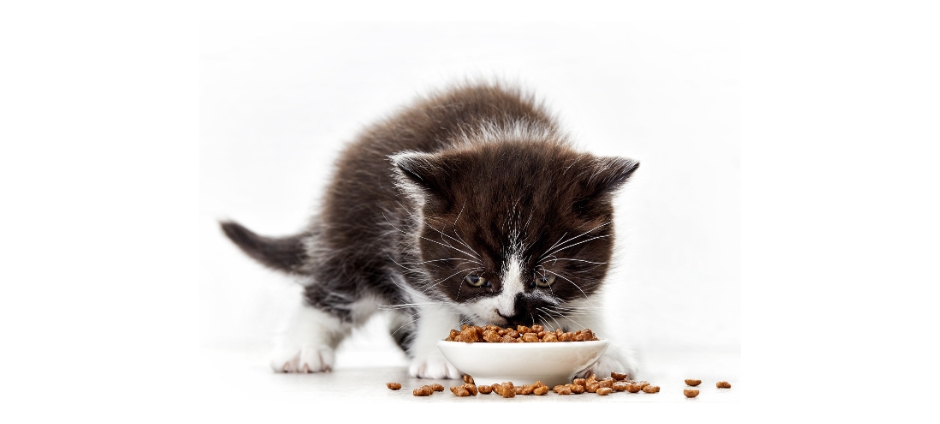
- Dry food: Helps clean teeth but requires access to fresh water.
- Wet food: High in moisture, great for cats that don’t drink enough.
- Specialised diets: Tailored for cats with obesity or chronic conditions.
Consult your vet to select the most suitable type of food for your cat’s needs.
4. Don’t Force Your Cat
Cats are notoriously picky eaters. If your cat refuses the new food, try:
- Serving it in a different form, such as slightly warmed.
- Mixing it with a favourite treat to make it more appealing.
- Increasing the proportion of the old food and restarting the gradual transition.
Common Problems When Changing Cat Food
Issues can arise during the transition, such as:
- Diarrhoea: Often caused by a sudden diet change. Slow down the transition and offer smaller portions.
- Vomiting: This could indicate an intolerance to the new food – consult your vet if this occurs.
- Loss of appetite: Ensure the new food matches your cat’s preferences in flavour and texture.
Try Dry food from Dolina Noteci
Dolina Noteci dry food is an excellent choice for cats requiring a balanced and nutritious diet. With carefully selected ingredients, the food provides the right amount of protein, fats, and vitamins to support your cat’s health and vitality. The special formula helps maintain healthy teeth and gums, while the unique kibble shape encourages chewing, which is crucial for oral hygiene. Remember to always provide your cat with fresh water, especially when feeding dry food. With Dolina Noteci, you can be confident that your cat receives top-quality nutrition to meet its daily dietary needs.
Conclusion
Changing your cat’s food requires patience and careful observation. Gradual transitions, monitoring your cat’s response, and choosing the right type of food are essential for success. Always consult your vet before making dietary changes, especially if your cat has specific health requirements.