How to Clean Your Cat’s Eyes – A Practical Guide for Cat Owners
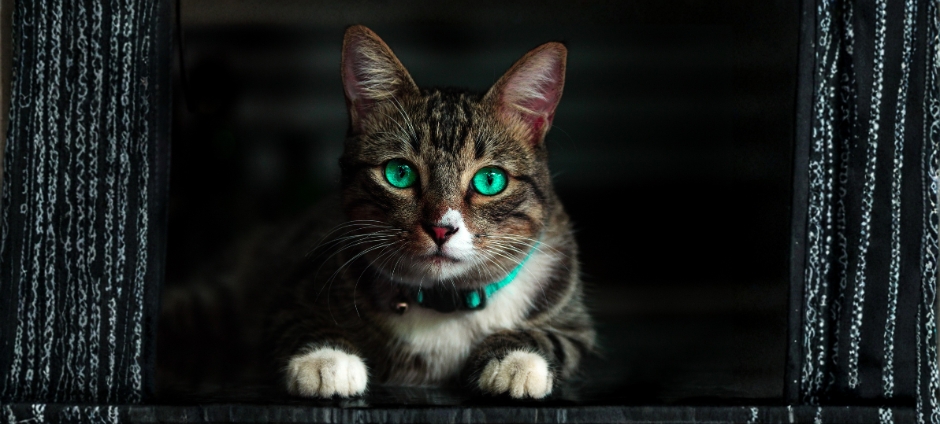
Your cat’s eyes are one of its most expressive features — but also among the most delicate. Regular eye care not only keeps them comfortable but also helps you notice any early signs of irritation or infection. Here’s how to safely clean your cat’s eyes at home and what to look out for.
When should you clean your cat’s eyes?
Not every cat needs its eyes cleaned daily. For most cats, wiping the corners once every few days is enough. However, breeds with larger or more prominent eyes (such as Persians, British Shorthairs or Exotics) often require more frequent attention, as they are prone to tear staining and discharge.
It’s best to clean your cat’s eyes whenever you notice tear marks or dried discharge. Regular observation is key — catching early signs of discomfort can prevent infections later on.
What to use to clean your cat’s eyes
Use only gentle, safe materials and solutions:
- Sterile gauze pads or cotton pads (use a separate one for each eye).
- Saline solution (0.9% sodium chloride).
- Vet-approved eye cleaning solutions for cats.
Avoid: cotton wool (which can leave fibres), tea, chamomile, alcohol or household wipes — these can irritate the eyes and cause inflammation.
How to clean your cat’s eyes step by step
- Wash your hands thoroughly.
- Soak a sterile pad in saline or a vet-recommended eye cleaner.
- Gently wipe from the outer corner of the eye towards the inner corner.
- Use a new pad for the other eye to avoid transferring bacteria.
- If the discharge is dried or stuck, hold the damp pad over it for a few seconds to soften it before wiping away gently.
How often should you clean your cat’s eyes?
Most cats only need this care once or twice a week. However, if your cat often gets tear stains or build-up in the corners of its eyes, you can clean them daily. The key is to stay gentle and consistent — never rub too hard or use rough materials.
When to see a vet
Contact your vet if your cat’s eyes show any of the following signs:
- Excessive tearing or watery eyes.
- Redness, swelling or cloudiness.
- Yellow or green discharge.
- Frequent squinting or pawing at the face.
These symptoms may indicate infection, allergies or other eye conditions that require veterinary treatment.
Summary
Cleaning your cat’s eyes is a simple yet important part of home grooming. With just a sterile pad and saline solution, you can keep your cat’s eyes clean and healthy. Regular care prevents irritation and helps you spot potential problems early. Remember — if something seems unusual, always consult your vet.
👉 Tip for success:
To make your cat more comfortable, start with short, calm cleaning sessions — ideally after mealtime or play, when your cat is relaxed and more tolerant of handling.