How to Feed a German Shepherd – A Complete Guide for British Dog Owners
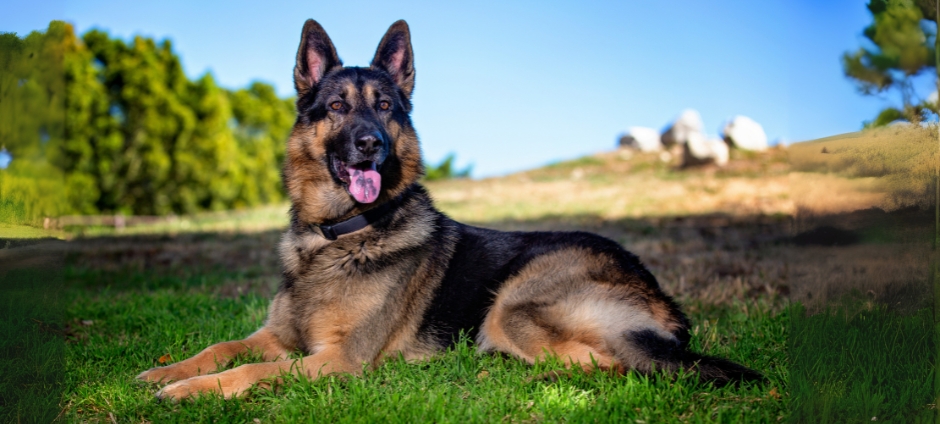
The German Shepherd is a highly intelligent, active, and demanding breed that requires a carefully balanced diet throughout its life. Despite their wolf-like appearance, their nutritional needs are very specific – high-quality proteins, healthy fats, and essential vitamins and minerals are all key. Whether you have a puppy, an energetic adult, or a senior companion, here’s how to feed your GSD right.
1. Feeding Frequency by Life Stage
How often you feed your dog depends mainly on its age:
- Puppies (up to 3 months) – feed 4 times daily.
- Young dogs (up to 10 months) – gradually reduce to 3 meals a day.
- Adult dogs – ideally fed twice a day, at consistent times.
2. How Much to Feed – Portion Sizes & Calories
How much your dog should eat depends on their age, weight, activity level, and the calorie content of the food. Here’s a rough guide:
- Adult GSDs typically eat around 3 cups of dry food per day (~400 kcal per cup).
- In grams: A 35 kg adult needs approx. 440 g dry food daily; 40 kg – 480 g; 45 kg – 530 g.
- Females: 20–30 kg = 285–390 g; Males: 30–40 kg = 390–485 g.
3. What to Feed – Choosing the Right Diet
German Shepherds thrive on diets that include:
- High meat content – look for quality dry food (kibble) with meat as the main ingredient, and minimal grain or fillers.
- Breed-appropriate puppy food – especially important for healthy bone development in growing puppies (balanced calcium and phosphorus).
- Supplemented home-cooked meals – can be a great addition, but always consult a vet before switching or mixing diets.
4. Feeding Safety & Health Tips
- Prevent bloat and gastric torsion – avoid feeding just before or after intense exercise. Wait 30–60 minutes post-meal before physical activity.
- Always provide fresh water – especially after feeding or walks.
- No table scraps – human food can cause weight gain or digestive issues, and some ingredients are toxic to dogs.
5. Special Diet for Senior Dogs
Older German Shepherds have lower calorie needs but still require high-quality protein and joint supplements (glucosamine, omega‑3s). Transition to senior-specific dog food from around age 8–10 depending on health.
6. Monitor and Adjust
- Weigh your dog regularly and check for visible waistline or ribs.
- Adjust portions based on weight changes or seasonal activity levels.
- Vet check-ups can help tailor diet to your dog’s individual needs.
7. Sample Feeding Plan
Puppy (0–3 months): 4 meals/day – puppy food for large breeds
Young dog (4–10 months): 3 meals/day – gradually introduce adult kibble
Adult (1–7 years): 2 meals/day – 400–500 g total
Senior (8+ years): 2 meals/day – senior food, joint support, lower calories
Conclusion
Feeding a German Shepherd properly is one of the most important parts of keeping them healthy, happy, and full of energy. Stick to high-quality food, regular mealtimes, age-appropriate portions, and keep an eye on their condition. When in doubt – ask your vet. A well-fed GSD is not only fit but full of love, loyalty, and life!