How to Litter Train Your Cat – A Practical Guide
Why Do Cats Need a Litter Box?
Cats are naturally clean animals, and most will instinctively use a litter box. However, some – especially kittens, rescue cats, or stressed felines – may need a bit of help to learn or re-learn proper bathroom habits.
When to Start Litter Training?
Training should start as early as possible – kittens can begin around 3 weeks of age. Adult cats may take more time, but with consistency and patience, success is entirely achievable.
Step-by-Step Guide to Litter Training
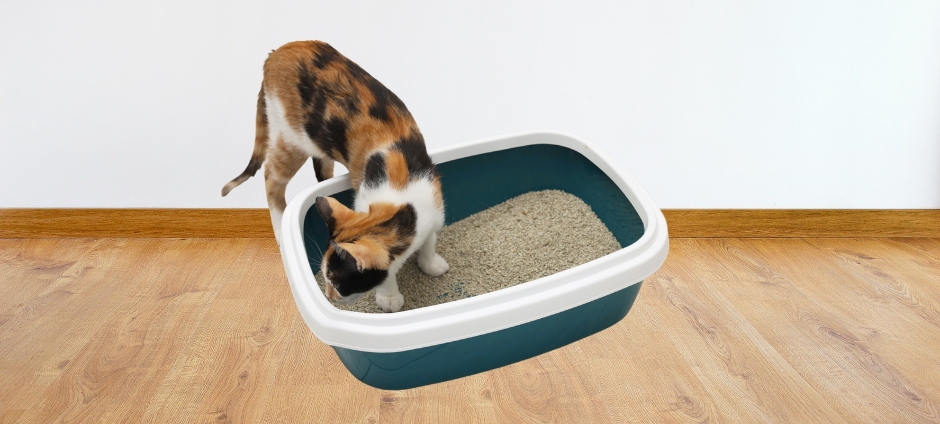
- Choose the right litter box – It should be big enough, low entry for easy access, and match your cat’s size.
- Pick the right litter – Unscented, clumping litter that’s soft on the paws is often preferred.
- Place the box in a quiet area – Avoid high-traffic or noisy places in your home.
- Show your cat the litter box – Place them in the box after meals or naps to create a routine.
- Reward litter use – Praise and treats work great as positive reinforcement.
Common Issues and How to Solve Them
- Going outside the box – Check if the box is clean, if the litter was changed, or if there’s a stressor nearby.
- Avoiding the box altogether – Could signal stress, pain, or a urinary issue – consult a vet if unsure.
- Not covering waste – May be personal preference or a sign of dislike for the litter type.
Extra Tips
- Scoop the box daily and clean it thoroughly weekly.
- Keep the box in a fixed spot – cats dislike changes.
- Multiple cats? One box per cat, plus one extra is ideal.
Conclusion
Litter training doesn’t have to be hard. With patience, consistency, and a cat-friendly setup, most cats will master the litter box quickly. Create a clean, calm environment and help your cat succeed! 🐾