How to Stop Your Dog from Eating Rubbish on Walks – Safe and Effective Solutions
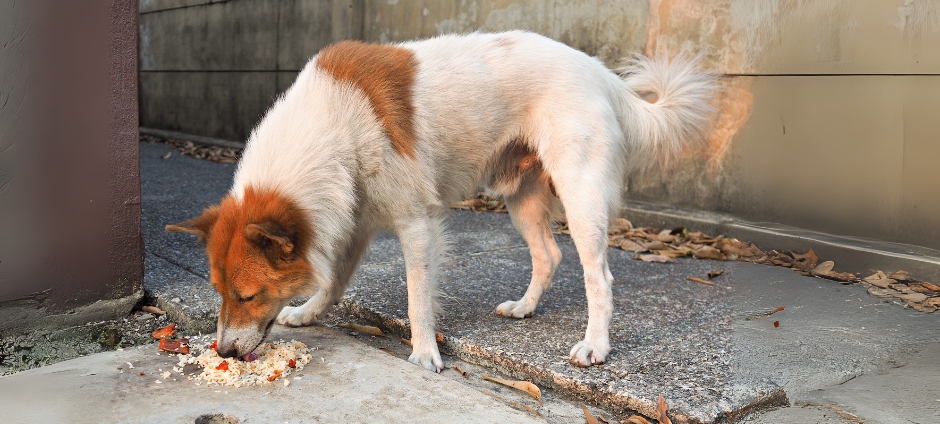
It’s every dog owner’s nightmare – your dog snatches something from the ground during a walk before you can react. Whether it’s old food, plastic or even something toxic, this behaviour is more than just frustrating – it can lead to serious health risks. So why do dogs do this, and more importantly – how can you stop it? Here’s your complete guide.
Why Do Dogs Eat Rubbish?
There are several possible reasons, including:
- Survival instinct – common in rescue dogs or those with a history of neglect,
- Boredom or lack of mental stimulation,
- Poorly balanced diet – dogs might be craving missing nutrients,
- Compulsive behaviour or anxiety,
- Lack of impulse control training.
What Are the Dangers of Scavenging?
Eating rubbish may seem like a harmless quirk, but it carries serious risks, such as:
- rotting or mouldy food that could cause poisoning,
- cooked bones that splinter and damage intestines,
- rat poison or other toxins,
- sharp objects like plastic or glass,
- faeces from other animals – spreading parasites or disease,
- even drugs or other hazardous waste in urban parks.
How to Stop Your Dog from Eating Rubbish – Step by Step
1. Teach the “Leave it” or “Drop it” Command
This is a vital skill for every dog. Start simple and practise regularly:
- Use a treat in your hand and say “leave it” – reward when the dog backs off,
- Gradually introduce distractions and real-life scenarios,
- Be consistent and reward generously when they obey.
2. Use a Long Lead for Controlled Freedom
A long line gives your dog more room to explore while allowing you to step in quickly if needed. It’s a great tool for training recall and preventing risky scavenging.
3. Build Eye Contact and Engagement
Encourage your dog to look at you during walks by rewarding eye contact. A dog focused on their handler is less likely to search for snacks on the ground.
4. Feed a Balanced Diet
If your dog’s meals are lacking essential nutrients, they may seek them elsewhere. Make sure their food is appropriate for their age, activity level and breed.
5. Use a Basket-Style Muzzle
This isn’t punishment – it’s a safety tool. A well-fitted basket muzzle allows your dog to pant and drink, but prevents them from eating things off the ground. Start muzzle training at home using positive reinforcement.
6. Make Walks Mentally Stimulating
Include training games, sniffing exercises and interaction. A mentally fulfilled dog is far less likely to scavenge due to boredom or frustration.
7. Consult a Behaviourist if Needed
If the habit is severe or your dog eats compulsively, a professional dog behaviourist can help uncover the root cause and tailor a training plan.
What Not to Do
- Don’t shout or punish your dog – it may increase anxiety and make the behaviour worse,
- Don’t yank them away aggressively – it can cause leash reactivity,
- Don’t ignore the problem – it won’t fix itself and can lead to emergencies.
Summary – Helping Your Dog Stop Scavenging
This behaviour is common, but it’s also manageable with the right approach. Whether you use training, muzzles, or professional help, consistency is key. Don’t wait until your dog eats something dangerous – start working on it today.
Need Help with a Dog That Eats Rubbish?
You’re not alone – many dog owners face this issue. With patience and proper tools, you can keep your dog safe and your walks stress-free. Your furry friend will thank you with better health and better behaviour!