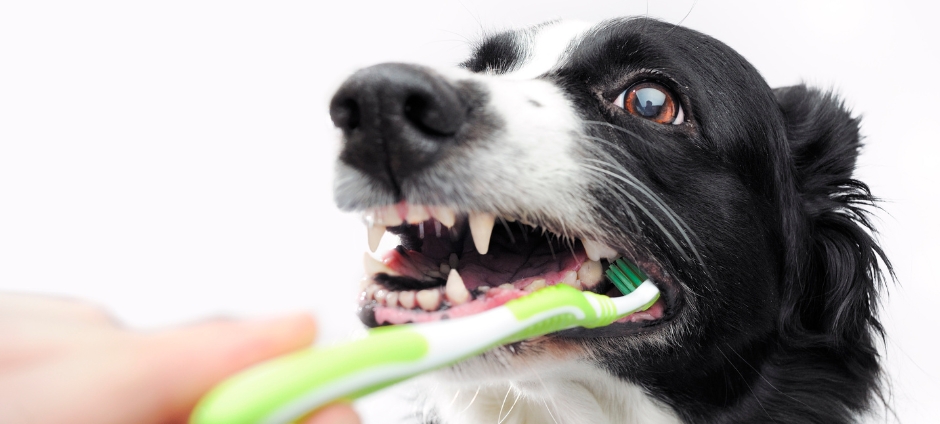
How to take care of your dog’s dental health?
Your dog’s oral health is extremely important to your pet’s overall health and well-being. Unfortunately, many people neglect this aspect, which leads to serious health problems. In this article, we’ll discuss how to maintain your dog’s dental health to ensure he lives a long and happy life.
The importance of oral health in dogs
Healthy teeth and gums are crucial to your dog’s overall health. Oral problems can lead to infections, pain and difficulty eating, and can also be an indicator of more serious health problems such as heart, kidney or liver disease.
Dog teeth anatomy
Dog teeth are adapted to their predatory lifestyle. Dogs have 42 permanent teeth, including incisors, canines, premolars and molars, which perform various functions such as cutting, grinding and crushing food.
Types of dental problems in dogs
Tartar
Tartar is formed from the accumulation of dental plaque, which hardens over time. It can lead to gum disease and even tooth loss.
Gum diseases
Gum diseases, such as gingivitis and periodontitis, are the result of a bacterial infection caused by the accumulation of plaque.
Mechanical damage
Dogs often break their teeth when biting on hard objects, which can lead to pain and infection.
Milk and permanent teeth
When primary teeth are replaced with permanent ones, problems may arise, such as impacted primary teeth, requiring veterinary intervention.
Symptoms of dental problems
Symptoms of dental problems in dogs may include bad breath, excessive salivation, difficulty eating, bleeding gums, and visible changes in the mouth such as tartar or swollen gums.
Reasons
The main causes of dental problems in dogs include lack of proper oral hygiene, inappropriate diet, genetic predisposition and mechanical injuries.
Diagnostics
Diagnosing dental problems in dogs involves a clinical examination by a veterinarian, radiographic examinations, and sometimes laboratory blood tests to assess the dog’s health.
Treatments for dental problems in dogs
Home treatment
Home treatment includes brushing your dog’s teeth regularly, using treats and dental toys, and using special mouth rinses.
Professional veterinary treatment
Professional treatment includes scaling (removal of tartar), treatment of periodontitis and, if necessary, extraction of damaged teeth.
Prevention of dental problems
Daily hygiene
Brushing your dog’s teeth daily is the most effective way to prevent dental problems. It is important to use special brushes and toothpastes for dogs.
Dental food and treats
Using dry food and dental treats helps keep teeth and gums clean, reducing the risk of tartar formation.
Regular visits to the vet
Regular visits to the vet allow for early detection and treatment of dental problems, which prevents more serious health complications.
By taking care of our dog’s dental health, we ensure better health and quality of life. Regular brushing, proper diet and visits to the vet are key elements in preventing dental problems. Let’s remember that a healthy mouth means a happy dog!