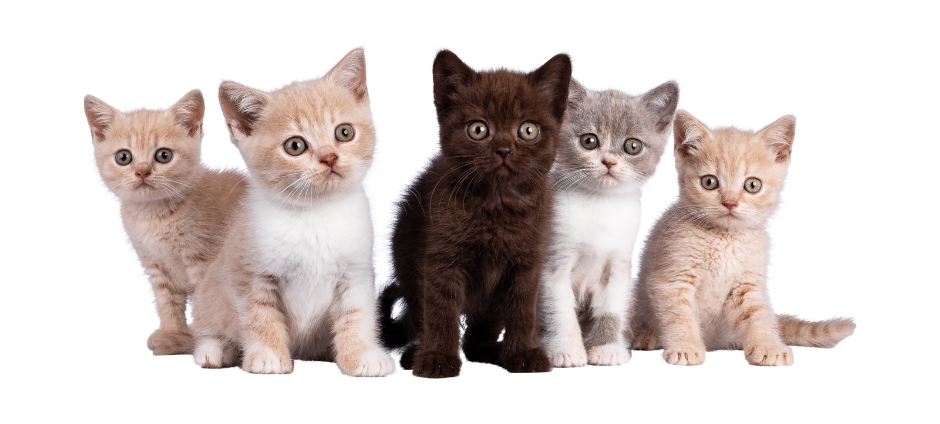
One of the key responsibilities of every cat owner is teaching their pet to use the litter box. For most cats, this behaviour comes naturally, but sometimes the process requires a little guidance. In this article, you’ll learn how to select the right litter box, which type of litter works best, and the steps you can take to help your cat master this essential skill.
Why Do Cats Naturally Use Litter Boxes?
Cats instinctively bury their waste, a behaviour rooted in their natural habits. A litter box, which mimics a sandy or soil-like surface, aligns with this instinct. However, some cats—especially kittens or those adopted from challenging environments—might need extra help to get started.
Choosing the Right Litter Box
Selecting the appropriate litter box is essential for successful training. There are several types available:
- Open Litter Boxes: Ideal for kittens and cats new to litter boxes. They are easy to access and maintain.
- Covered Litter Boxes: Perfect for cats who value privacy. These help contain litter scatter but may be avoided by some cats due to limited space.
- Self-Cleaning Litter Boxes: Advanced options for convenience-loving owners. However, you must ensure your cat is comfortable with their operation.
When choosing a litter box, ensure it’s large enough for your cat to turn around comfortably.
Choosing the Right Cat Litter
Litter is just as important as the litter box. The right choice depends on your cat’s preferences, but consider the following:
- Clumping Clay Litter: Excellent for odour control and easy cleaning but may produce dust.
- Silica Gel Litter: Lightweight and highly absorbent, though not all cats like its texture.
- Natural Wood Litter: Eco-friendly and gentle on paws, making it ideal for sensitive cats.
Experiment with different types of litter to find the one your cat prefers.
How to Train Your Cat to Use the Litter Box: Step by Step
1. Find the Right Spot
Place the litter box in a quiet, low-traffic area, away from food and water bowls. Cats prefer a private and peaceful environment for their business.
2. Introduce Your Cat to the Litter Box
When bringing your cat home, show them the litter box and let them sniff around. Gently place them inside so they can feel the texture of the litter.
3. Observe and React
If your cat starts circling or scratching at the floor, gently guide them to the litter box. Use a calm voice to encourage them without forcing them to stay inside.
4. Reward Success
Praise or reward your cat with a treat every time they successfully use the litter box. Positive reinforcement strengthens the behaviour.
5. Keep the Litter Box Clean
Cats are particular about cleanliness. Scoop waste daily and replace the litter regularly to encourage consistent use.
What If Your Cat Avoids the Litter Box?
If your cat is avoiding the litter box, consider these possible reasons:
- Inappropriate Location: Move the litter box to a quieter spot.
- Unsuitable Litter: Try switching to a different type of litter.
- Health Issues: Persistent avoidance may indicate a medical problem, so consult your vet.
Conclusion
Training your cat to use the litter box can be a straightforward process with the right approach. Remember that each cat is unique, so it’s essential to adapt your methods to their needs and preferences. Maintaining a clean litter box and observing your pet’s behaviour are crucial to achieving success!