How to Teach Your Dog Self-Control Around Other Dogs
Why self-control matters
Jumping, barking, or lunging at other dogs is often a sign of emotional overload. Without training, these behaviours can lead to stress, conflict, or dangerous situations. Teaching impulse control improves your dog’s confidence—and makes your life easier too.
Foundations of self-control
- Positive reinforcement – Reward calm and focused behaviour.
- Start at a safe distance – Begin training far enough from other dogs that your dog stays under threshold.
- Patience and repetition – Gradually reduce distance over time, never rushing exposure.
1. “Look at That” (LAT) game
Encourage your dog to look at another dog, then immediately return focus to you for a reward. This builds a new association
2. Impulse control drills
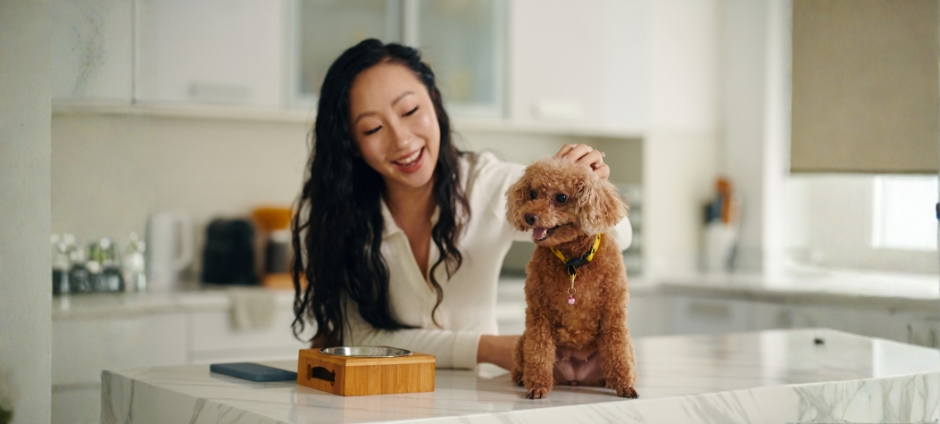
- Wait for the food bowl – Lower the bowl slowly, only releasing it when your dog sits calmly.
- Leave it game – Offer a treat in your hand, reward only when your dog stops trying to grab it. Builds patience and delayed gratification.
3. Redirect energy through healthy play
- Flirt pole – Provides high-energy fun and teaches controlled chasing and release.
- “Settle” on cue – Interrupt play or walking with a cue to relax and reward calm posture.
4. Choose social encounters wisely
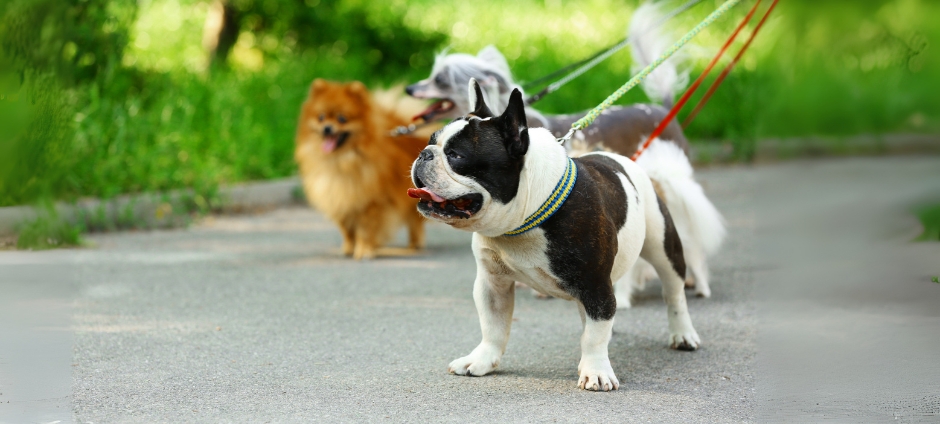
Avoid dog parks or chaotic settings. Instead, plan walks with familiar dogs who model calm behaviour—your dog learns best from positive experiences.
5. Reinforce your bond
The more rewarding you are to your dog, the more likely they’ll choose to focus on you, not the environment. Training becomes natural when your attention is the ultimate reward.
Conclusion
Teaching self-control around other dogs is absolutely achievable—with time, consistency, and the right tools. It not only helps your dog feel more confident, but it transforms your shared walks into enjoyable, low-stress moments. 🐾