Miniature Schnauzers – Appearance, Behaviour, and Breed Overview
Miniature Schnauzers are small yet sturdy dogs with a distinctive look and remarkable intelligence. Despite their small size, they have a big personality, which has won them admirers worldwide. In this article, we’ll cover everything you need to know about Miniature Schnauzers, from their origins and appearance to personality traits, health, and care.
Where Does the Name “Schnauzer” Come From?
The name “Schnauzer” originates from the German word Schnauze, which means muzzle or snout. This name reflects the breed’s distinctive bearded muzzle, which gives them their characteristic look. Schnauzers originated in Germany, where they were initially bred as guard and hunting dogs, especially skilled in catching rats and small vermin.
Miniature Schnauzers are a smaller variety of this breed but retain many qualities of their larger cousins. Known for their intelligence and versatility, they quickly gained popularity worldwide, serving as family pets, loyal companions, and even watchdogs. Their adaptability has made them one of the most beloved small dog breeds globally.
What Do Miniature Schnauzers Look Like?
Build and Weight
Miniature Schnauzers have a compact, well-proportioned build. They typically weigh between 4.5 and 7 kg, with a height at the withers ranging from 30 to 36 cm. Thanks to their size, Miniature Schnauzers are well-suited to both city and apartment living, as they are easy to handle and transport.
Distinctive Features
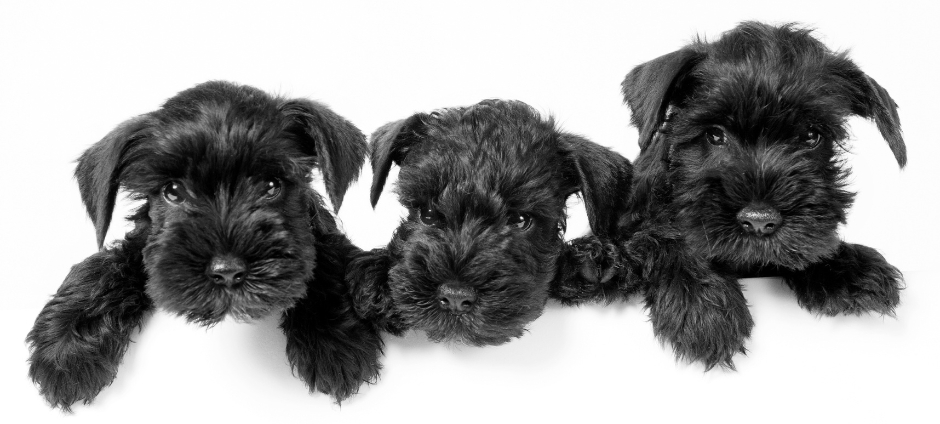
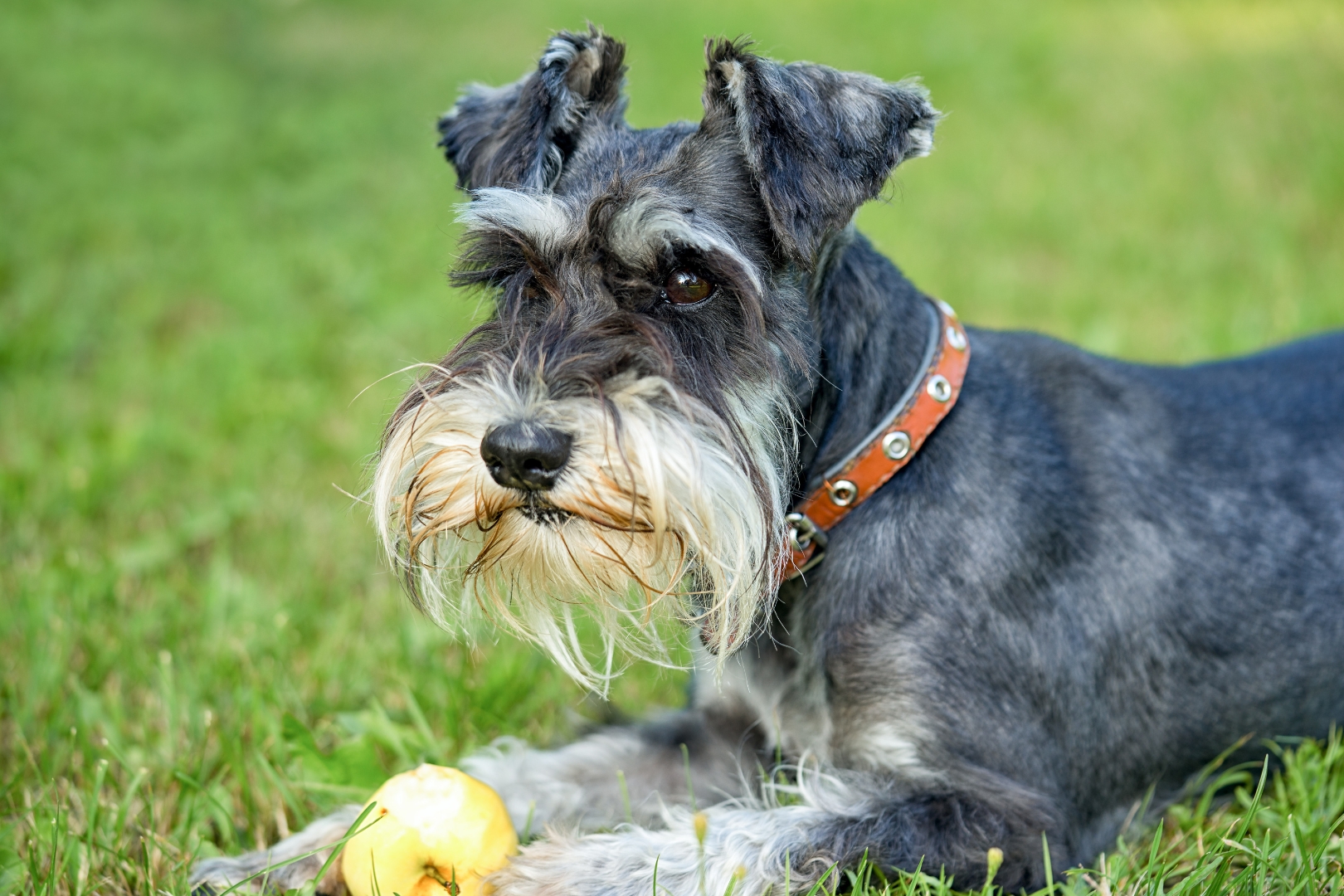
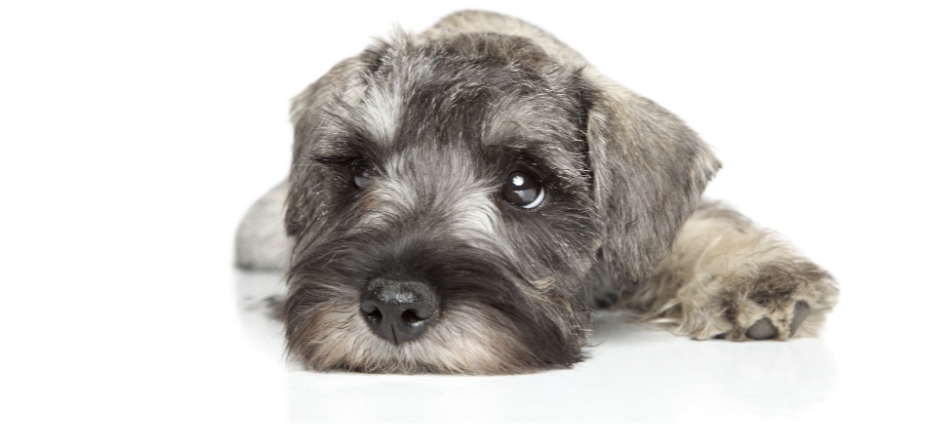
The Miniature Schnauzer has a rectangular head, highlighted by expressive eyebrows, a beard, and prominent whiskers. Their eyes are dark, alert, and expressive, adding to their charm. This breed has a double coat, with a rough, wiry outer layer and a soft undercoat, which helps protect them from various weather conditions.
Coat Colours
Miniature Schnauzers come in a variety of coat colours, including black, salt and pepper, black and silver, and pure white. These colours enhance their unique appearance, making them easily recognisable and adding to their popularity.
What Is the Temperament of Miniature Schnauzers?
Intelligence and Loyalty
Miniature Schnauzers are known for their intelligence and loyalty. They are quick learners, often eager to please their owners, making them relatively easy to train. However, they do require a firm and consistent approach, as they can be independent-minded.
Energy and Need for Activity
Although small, Miniature Schnauzers are full of energy and need a fair amount of physical activity. They enjoy walks, games, and interacting with their owners, making them perfect companions for active individuals. Without sufficient mental and physical stimulation, they can become bored, which may lead to behavioural issues.
Protective Instincts
Miniature Schnauzers have a strong territorial instinct, making them excellent watchdogs. They tend to be cautious around strangers and can be quite vocal if they sense any potential threat. This makes them a popular choice for those seeking a small yet vigilant watchdog.
How to Care for Your Miniature Schnauzer’s Health and Grooming
Coat Care
Miniature Schnauzers’ coats require regular maintenance. Their wiry coats should be brushed at least once a week to prevent tangling. Schnauzers also require periodic hand-stripping or clipping to remove dead hair and maintain a healthy coat.
Oral Hygiene
Oral hygiene is particularly important for Miniature Schnauzers, as the breed is prone to tartar build-up. Regular brushing and professional cleaning are recommended to prevent dental issues.
Grooming Essentials
Essential grooming tools for Miniature Schnauzers include a good-quality dog brush, pet-safe shampoo, and microfibre towels for drying. Also, consider investing in grooming scissors or clippers if you plan to trim your Schnauzer’s coat yourself. Ensuring your pet has comfortable grooming tools can make the process easier for both you and your dog.
How to Feed Miniature Schnauzers
Balanced Diet
Miniature Schnauzers need a balanced diet rich in protein, vitamins, and minerals. Due to their high energy levels and predisposition to gain weight, it’s essential to choose low-fat dog food. Small-breed dog food is ideal, as it meets their caloric and nutritional needs.
Meal Frequency
It’s best to feed Miniature Schnauzers regular meals at consistent times, which helps maintain their health and energy levels. Avoid overfeeding, as this breed has a tendency to gain weight. Regular feeding times also help them maintain a healthy lifestyle.
How Long Do Miniature Schnauzers Live?
Miniature Schnauzers are a long-lived breed, with an average lifespan of 12 to 15 years. Proper healthcare, regular veterinary check-ups, and a balanced diet can help extend their lives and maintain their quality of life.
Common Genetic Health Issues
This breed is susceptible to certain genetic conditions, including cataracts and urinary stones. Routine veterinary exams can detect these conditions early, increasing the chances of effective treatment. Preventative healthcare, a balanced diet, and regular physical activity are crucial to keeping your Miniature Schnauzer healthy.
Conclusion
Miniature Schnauzers are extraordinary dogs that combine the qualities of a guard dog with those of a companion. Their intelligence, loyalty, and unique appearance make them an excellent choice for those looking for a small yet versatile pet. However, this breed does require regular grooming, exercise, and attention to ensure a happy, healthy life. With the right care, Miniature Schnauzers are loyal companions who will reward you with years of love and devotion.