My Dog Doesn’t Know How to Rest – How to Teach Your Dog to Relax
Why Is Rest Important for Dogs?
Yes – learning to rest and calm down is essential for a dog’s mental and physical health. Dogs that struggle to relax may suffer from chronic stress, hyperactivity, lack of focus, and poor learning ability. In severe cases, it can even lead to behavioural burnout.
Why Can’t My Dog Relax?
There are many reasons a dog might struggle with rest. Understanding the cause is the first step:
- Lack of routine and security – dogs feel calmer when they know what to expect.
- Too much stimulation – noise, people, or other pets can keep a dog constantly alert.
- No early training in rest – some dogs were never taught that relaxing is part of their day.
- Fear of missing out – dogs may follow their owners everywhere, afraid of being left out.
- Separation anxiety – dogs with this condition find it hard to settle down alone.
How to Teach Your Dog to Rest?
Here are practical steps to help your dog learn that relaxation is a positive experience:
1. Create a Daily Routine
Feeding, walks, and playtime at regular times provide a sense of stability, helping dogs feel safe enough to rest.
2. Set Up a Calm Resting Space
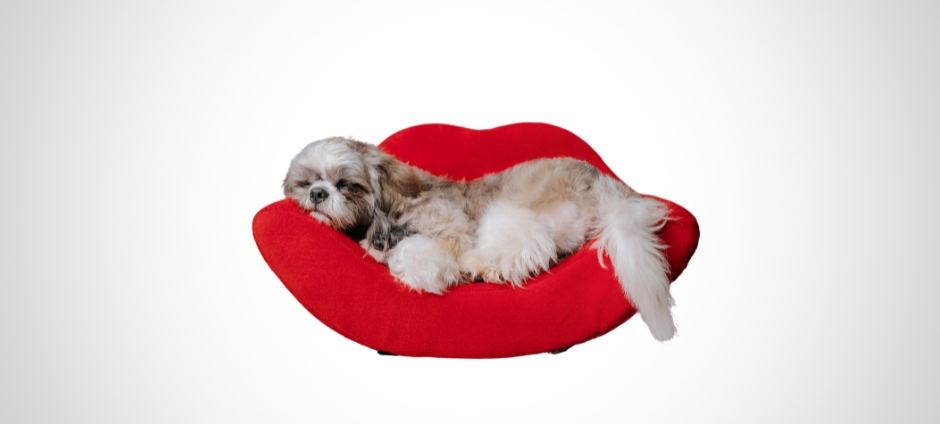
Provide a cosy bed in a quiet spot away from noise, children, and foot traffic. A crate or designated corner can be a safe haven.
3. Teach a “Go to Bed” Cue
Train your dog to go to their bed on command and reward them for calmly lying down – even for a few seconds. Gradually increase the time.
4. Fulfil Their Physical and Mental Needs
A well-exercised and mentally stimulated dog will be more inclined to rest. Include sniffing games, training sessions, and calm walks.
5. Use Calming Tools
Try calming music, lick mats, chew toys, or puzzle feeders to help your dog unwind. Avoid high-energy play right before rest time.
6. Practise Short Separations
If your dog struggles to relax when you’re not nearby, start practising short separations and reward calm behaviour.
What to Avoid?
- Don’t leave your dog to “cry it out” – they need guidance, not isolation.
- Don’t punish restlessness – it’s often a symptom of stress, not disobedience.
- Don’t expect instant results – teaching relaxation takes time and patience.
When to Consult a Behaviourist?
If your dog remains highly anxious, can’t settle even after exercise, or exhibits other behavioural issues, it may be time to consult a certified behaviourist. They can create a personalised plan tailored to your dog’s needs.
Conclusion – Teaching Your Dog to Relax
A dog that knows how to rest is calmer, healthier, and more resilient in daily life. Relaxation isn’t just a luxury – it’s a fundamental skill every dog should learn. With consistency, patience, and a positive approach, you can help your dog find peace and balance. 🐶🛏️