Why Are Vitamins and Minerals Important for Cats?
Like humans, cats need an adequate amount of vitamins and minerals to stay healthy. These nutrients support the immune system, improve the condition of the skin and coat, maintain dental health, and ensure the proper functioning of internal organs. Deficiencies can lead to severe health issues, such as weakness, digestive problems, or chronic diseases.
Key Vitamins for Cats’ Health
Vitamin A
Vitamin A supports vision, skin health, and a shiny coat. It also helps the immune system and aids in cell development.
- Sources: Liver, fish, cooked eggs.
- Signs of deficiency: Vision problems, dull coat, increased susceptibility to infections.
Vitamin D
Vitamin D regulates calcium and phosphorus levels, which are essential for strong bones and teeth.
- Sources: Fatty fish (e.g., salmon, sardines), liver.
- Signs of deficiency: Weak bones, difficulty moving.
Vitamin E
Vitamin E acts as a powerful antioxidant, protecting cells from damage. It also supports healthy skin and muscles.
- Sources: Vegetable oils, nuts (in small amounts), leafy green vegetables.
- Signs of deficiency: Muscle weakness, skin problems.
Vitamin K
Vitamin K is essential for proper blood clotting.
- Sources: Liver, green vegetables.
- Signs of deficiency: Excessive bleeding, slow wound healing.
Essential Minerals for Cats
Calcium
Calcium is crucial for building strong bones and teeth. It also supports the nervous system and muscle function.
- Sources: Dairy products (in small amounts), bones (after thermal processing).
- Signs of deficiency: Weak bones, muscle tremors.
Phosphorus
Phosphorus helps in cell development and regeneration, as well as supporting the nervous system.
- Sources: Meat, fish, organ meats.
- Signs of deficiency: Weakness, lack of appetite.
Magnesium
Magnesium is involved in over 300 enzymatic reactions, supporting heart and nervous system health.
- Sources: Green vegetables, whole grains, fish.
- Signs of deficiency: Weakness, seizures.
Iron
Iron is vital for producing haemoglobin, which transports oxygen throughout the cat’s body.
- Sources: Red meat, liver, eggs.
- Signs of deficiency: Anaemia, lethargy.
How to Ensure Your Cat Gets Enough Vitamins and Minerals
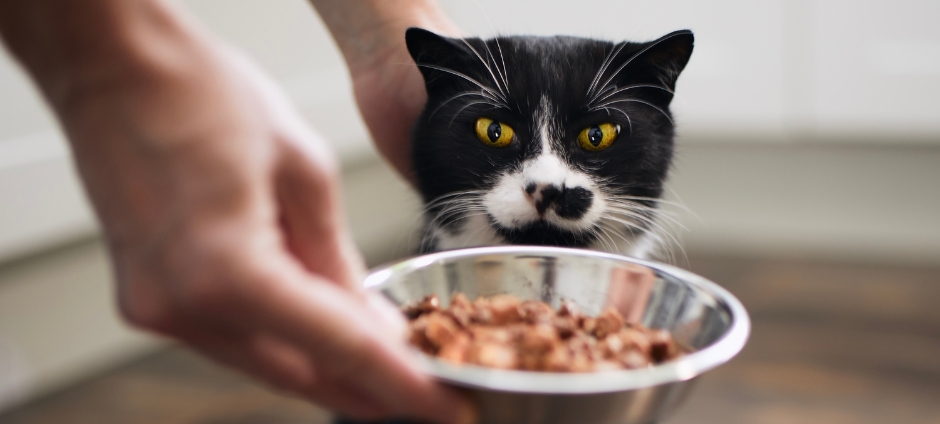
To provide your cat with a balanced diet, focus on high-quality cat food tailored to their age, weight, and health condition. Choose products from reputable brands that guarantee optimal nutrient proportions.
- Check the food label – meat should be the primary ingredient.
- Avoid foods with excessive grains or artificial additives.
- Consult your vet if you have concerns about your cat’s diet.