When Does Dog Play Turn into Conflict?
What characterises healthy dog play?
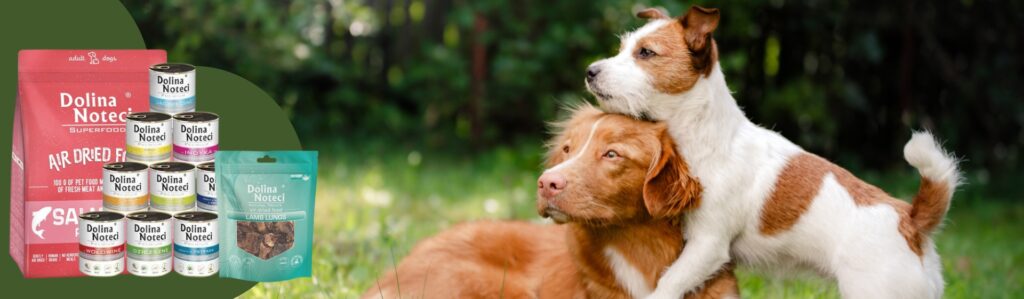
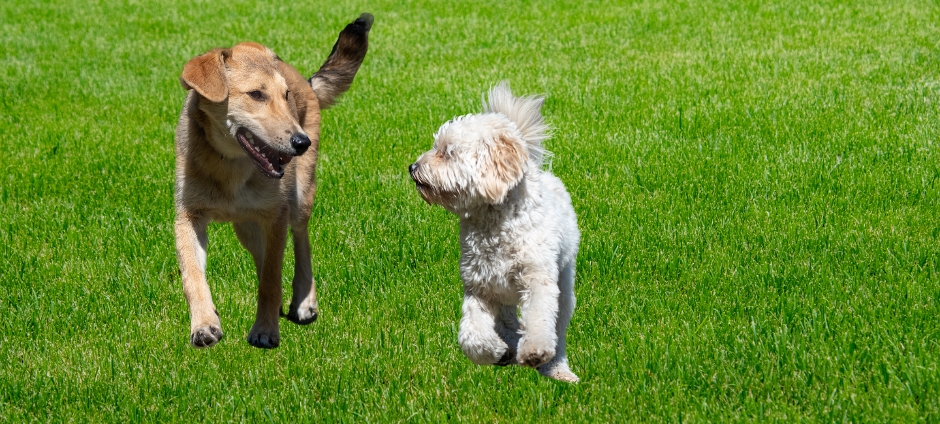
Play is one of the most important parts of canine socialisation. It helps dogs learn social rules, read signals, and manage emotions. Typical play includes chasing, wrestling, gentle mouthing, and “play bows.” It’s energetic but grounded in mutual respect and role-switching.
5 signs it’s no longer play
The line between play and conflict can be thin, but these signs clearly show when interaction should be stopped:
- No breaks: one dog dominates, the other doesn’t get a chance to pause.
- Stiff body posture: tension, raised hackles, rigid tail.
- Loud growling or barking: not playful but more as a warning.
- Ignored calming signals: like yawning, head turns, or walking away.
- One-sided interaction: one dog chases, tackles, or pins – the other tries to avoid contact.
How to support healthy play?
Safe play requires an attentive owner who can read canine signals. Here are a few tips:
- Match dogs with similar size and energy.
- Include breaks – call the dogs away to rest.
- Don’t hesitate to intervene if something feels wrong.
- Teach proper communication – reward calm behaviour.
What to do when tension arises?
If play escalates into conflict:
- Stay calm – avoid shouting or panicking.
- Separate the dogs without using your hands – use sound, water, or gently lead away with a leash.
- Check both dogs afterwards – look for wounds, tension, or stress.
- Reflect on the cause – not every dog pair is a perfect match.
Summary
Dog play is a wonderful way to build relationships, but only when it’s grounded in safety and mutual understanding. Pay attention to your dog, respond to their signals, and don’t be afraid to intervene when needed. That’s how every play session stays safe and fun.