Why Do Cats Scratch Furniture? Here’s How to Stop It Effectively!
Natural Instinct or Behavioural Issue?
Cats are deeply instinctual creatures. Scratching isn’t a sign of bad behaviour – it’s how they mark territory, stretch muscles, and maintain healthy claws. Understanding this natural habit is the first step to managing it effectively, without frustration or punishment.
Why Do Cats Scratch Furniture?
There are several reasons behind this behaviour:
- Territorial Marking – Cats have scent glands in their paws. When they scratch, they leave both visual and scent markers to claim their space.
- Claw Maintenance – Scratching helps shed the outer layers of the claws, keeping them sharp and healthy.
- Stretching – Especially after naps, scratching lets cats stretch their muscles and spine.
- Boredom or Stress – If a cat feels anxious or under-stimulated, scratching can serve as an emotional release.
How to Prevent Your Cat from Scratching Furniture
Rather than trying to eliminate the behaviour, redirect it appropriately. Here’s how:
1. Provide the Right Scratching Posts
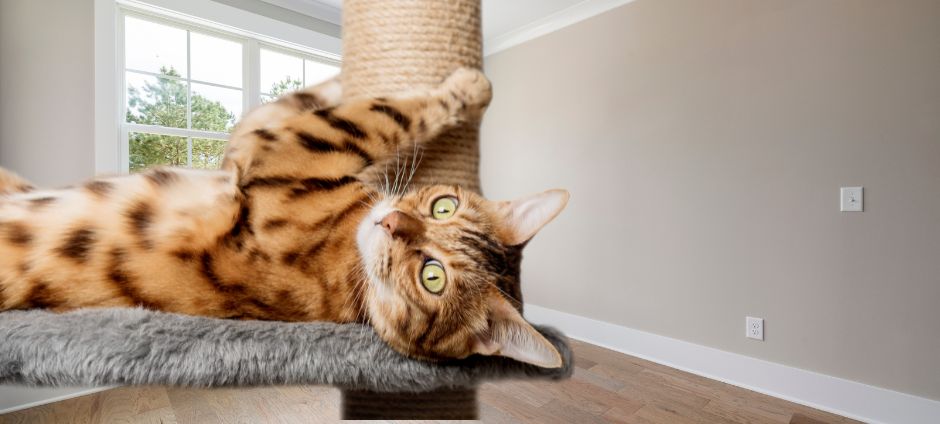
Scratching posts are a must. Choose ones that are sturdy, tall enough for a full stretch, and made of materials like sisal or cardboard. Offer a variety – vertical, horizontal, and angled – to suit your cat’s preference.
2. Use Furniture Protectors and Deterrent Tapes
Place protective mats or double-sided tape on areas your cat targets. The texture is unpleasant to them and discourages scratching. These are especially useful during training.
3. Try Feline Pheromone Products
Synthetic pheromones can calm cats and reduce territorial urges. Spray them on problem areas to make furniture less appealing. Natural deterrents like citrus scents can also help, as cats generally dislike them.
4. Encourage Use of Scratching Posts
Place scratchers near areas your cat already frequents. Use catnip or interactive toys to make them more attractive. Praise or treat your cat whenever they use the post – positive reinforcement works wonders.
5. Be Consistent and Patient
If you catch your cat scratching the sofa, redirect immediately. Say “no” firmly, then guide them to the appropriate scratching spot. Repetition and consistency are key to changing the habit.
What to Avoid
Some common responses can do more harm than good:
- Don’t shout or punish – It increases stress and may damage trust.
- Don’t ignore the behaviour – It’s a signal that your cat needs something.
- Don’t use water sprays or physical discipline – These methods are ineffective and cruel.
What Makes a Good Scratching Post?
Look for posts with these qualities:
- Stability – If it wobbles, your cat won’t use it.
- Height and Variety – Include options for climbing, stretching, and lounging.
- Texture – Sisal, carpet, and cardboard offer different sensations.
- Style – There are many chic designs that fit into your décor.
Conclusion: Creating Harmony Between Cats and Furniture
Scratching is a healthy, natural feline behaviour that shouldn’t be punished. With the right tools and strategies, you can redirect your cat’s instincts and keep your furniture safe. Provide enticing alternatives, use gentle deterrents, and be consistent – your cat (and your sofa) will thank you.